
Dr. Aayush Nagpal is a Colo-Proctologist and General Surgeon. A consultation can help establish the cause of your symptoms and whether changes in bowel habits, medicines or a procedure would be appropriate.
What are piles
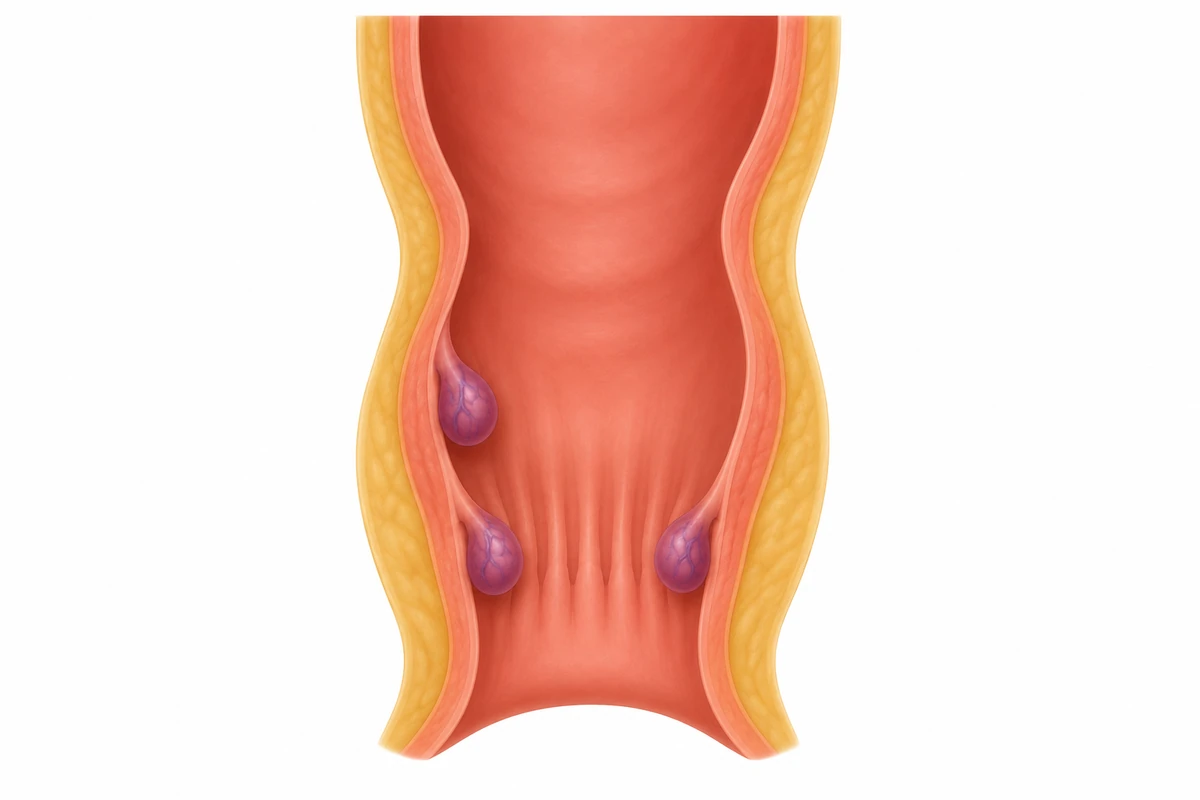
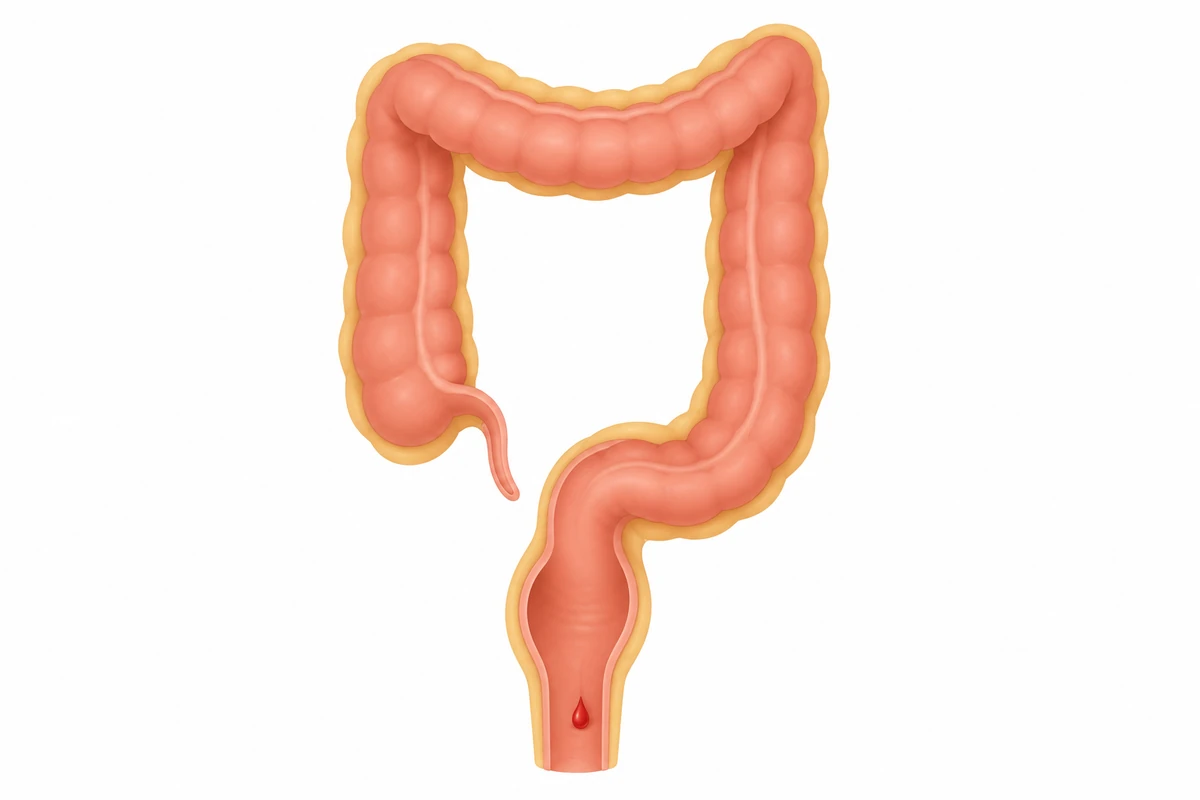
Piles, also called haemorrhoids or hemorrhoids, develop when the normal vascular cushions in and around the anal canal become enlarged or symptomatic. These cushions are part of normal anatomy. They become a problem when they bleed, protrude or cause discomfort.
Having piles does not automatically mean you need surgery. The treatment decision depends on the location of the piles, the amount of prolapse and how much the symptoms affect you.
Symptoms of piles
Symptoms can include:
- Fresh red blood on toilet paper, on the stool or in the toilet bowl.
- A swelling or lump around the anus.
- Tissue coming out during a bowel movement.
- Itching, irritation or difficulty cleaning the area.
- Mucus discharge or a feeling of dampness.
- Sudden pain when a clot forms in an external haemorrhoid.
Internal piles often bleed without pain. Severe pain should be assessed rather than assumed to be an ordinary piles symptom.
Causes and risk factors
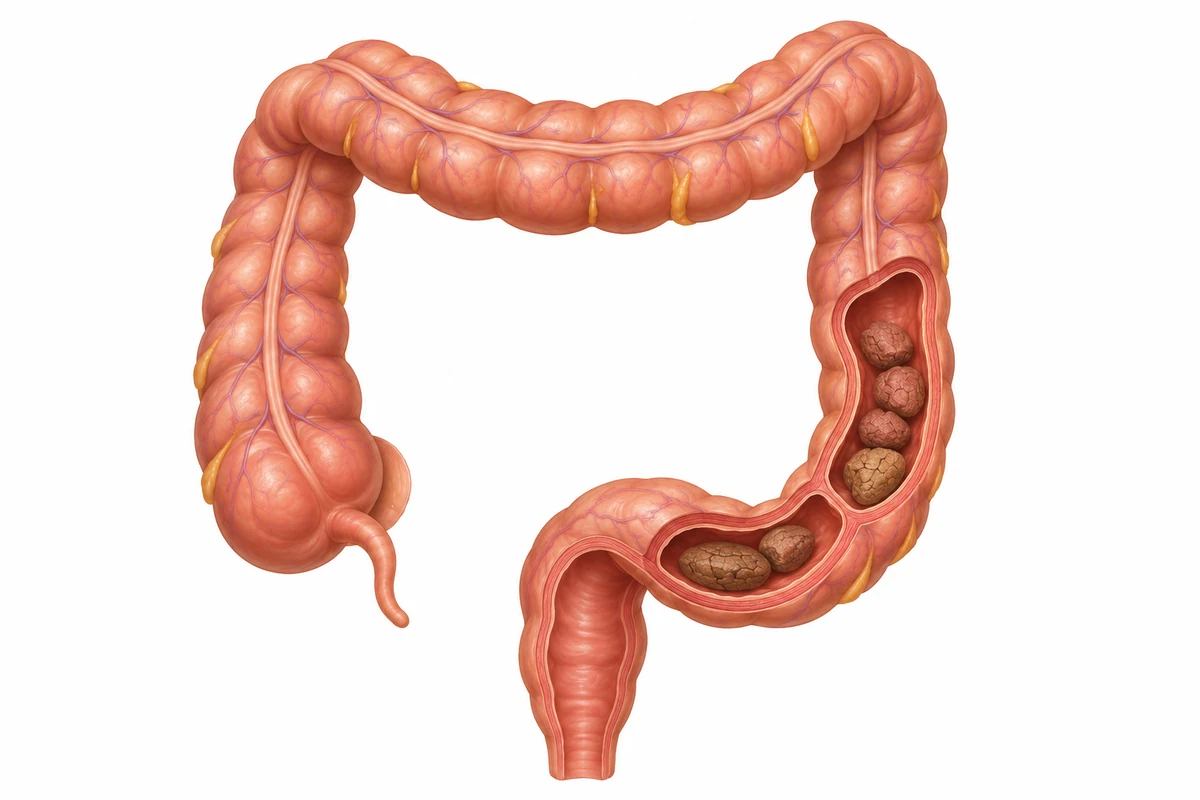
Repeated straining and prolonged sitting on the toilet can put pressure on haemorrhoidal tissue. Constipation, frequent loose stools and a diet low in fibre may contribute. Pregnancy and age-related changes in supporting tissue can also increase the likelihood of symptoms.
Spicy food is not an established direct cause of piles. It may worsen irritation in some people, but avoiding it alone will not address constipation or prolapse.
Types and grades of piles
Internal piles develop inside the anal canal. Their grades describe prolapse:
- Grade 1: They remain inside the canal.
- Grade 2: They come out while straining and return on their own.
- Grade 3: They come out and need to be gently pushed back.
- Grade 4: They remain outside and cannot be pushed back.
External piles are under the skin around the anus. A clot can produce a tender, sometimes bluish lump. Some people have both internal and external piles. The internal grading system does not apply to external piles.
How piles are diagnosed
Assessment starts with questions about bleeding, pain, bowel habits and medicines. Examination may include inspection, a gentle rectal examination and anoscopy to look inside the anal canal.
A colonoscopy is not necessary for every patient. It may be advised when bleeding is unexplained, symptoms persist, bowel habits have changed or personal and family history indicate a need to examine the colon.
Treatment options for piles
Bowel care and medicines
Increasing dietary fibre gradually, drinking appropriate fluids and reducing straining can improve symptoms. A fibre supplement or laxative may be recommended when needed. Short courses of prescribed local treatment can help irritation, but creams do not reliably correct a significant prolapse.
Office procedures
Rubber band ligation, injection treatment and infrared coagulation are options for selected internal piles. Suitability depends on the grade, symptoms and medical history.
Surgical treatment
Haemorrhoidectomy may be considered for substantial external disease, combined piles or symptoms that have not responded to other treatment. Other procedures may be discussed in selected situations, with their benefits, limitations and recurrence risks.
Laser treatment
The word laser does not identify the right treatment for every patient. Ask what the proposed procedure involves, why it suits your piles and how its outcomes compare with alternatives.
When treatment is required
Arrange a consultation for rectal bleeding, repeated prolapse, ongoing discomfort or symptoms that do not settle with bowel care. A sudden painful lump also deserves prompt assessment.
Heavy or continuous bleeding, faintness, marked weakness or black, tarry stools require urgent medical attention. Do not wait for a routine appointment in these circumstances.
Prevention and daily habits
Include vegetables, fruit, pulses and whole grains in meals. Build up fibre gradually and avoid forcing a bowel movement. Respond to the urge to pass stool and keep toilet visits brief. Regular movement can support bowel function.
These measures can reduce aggravating factors, although they cannot guarantee that piles will never develop or return.
Living with piles and recovering after treatment
Avoid repeated rubbing, harsh soaps and prolonged use of unprescribed creams. Gentle washing and patting the area dry may be more comfortable. Warm water baths can soothe discomfort.
Recovery varies with the procedure. Follow the advice on pain relief, stool consistency, activity and follow-up. Ask when to seek help for bleeding, fever, worsening pain or difficulty passing urine.
Consult Dr Aayush Nagpal
For piles assessment in Delhi, request a consultation with Dr. Aayush Nagpal. Appointment locations include Sant Nirankari Health City, Burari, and The Clinics MISC, Hauz Khas. Confirm the location and schedule when booking.
Frequently asked questions about piles
01Are piles and haemorrhoids the same?
Yes. Piles is the common name for symptomatic haemorrhoids. Haemorrhoids and hemorrhoids are alternative spellings of the same term.
02Does every case of piles need surgery?
No. Many patients improve with bowel care or an office procedure. Surgery is considered according to the anatomy, severity and response to earlier treatment.
03Can piles cause painless bleeding?
Yes, especially internal piles. However, painless bleeding can have other causes, so an examination is needed before deciding on treatment.
04Why do piles become painful?
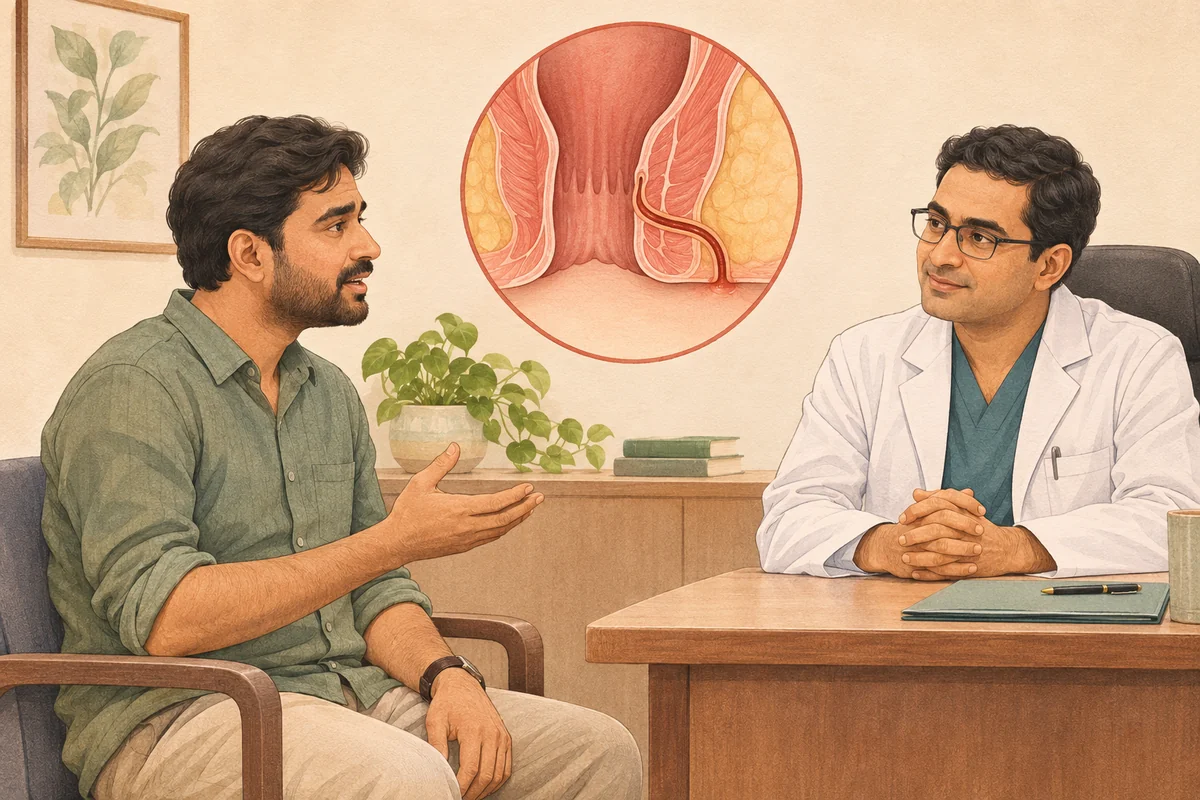
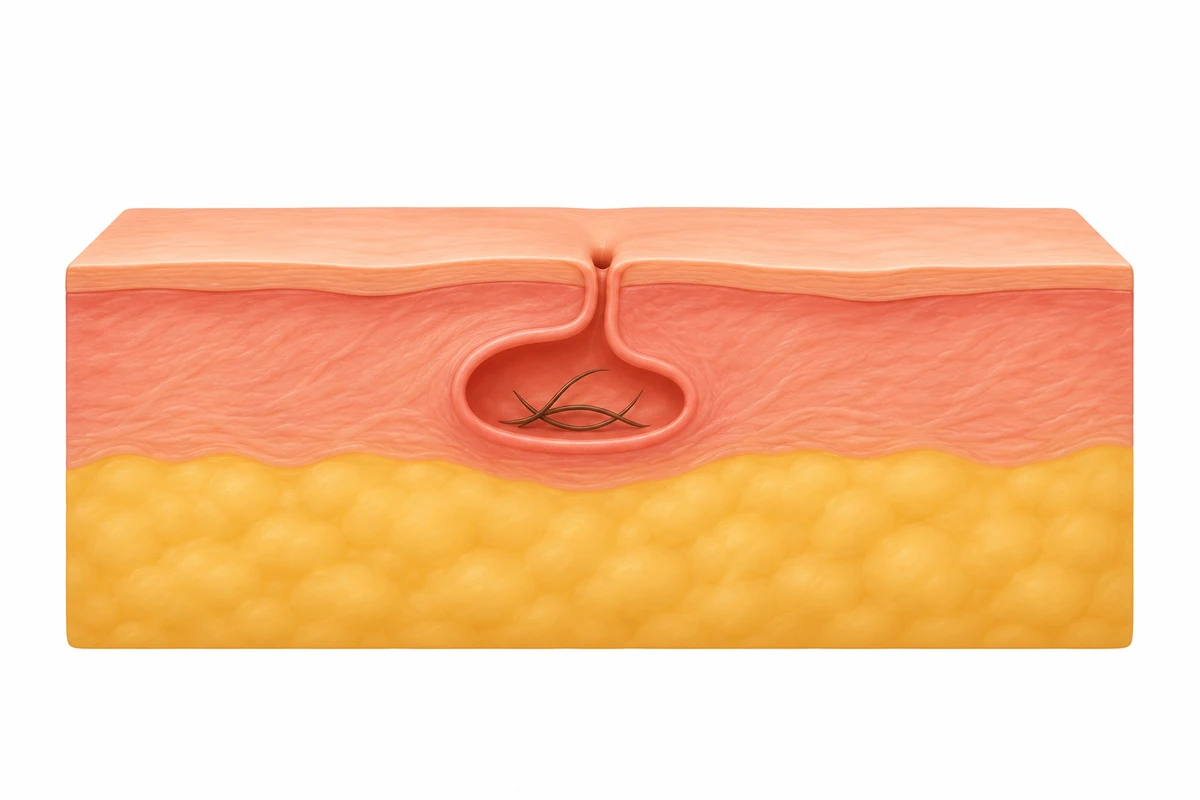
A clot in an external pile or a trapped prolapse can cause pain. A fissure or abscess may also explain pain around the anus.
05Can piles go away on their own?
Mild symptoms can settle when stool becomes easier to pass. A persistent prolapse or troublesome external swelling may need further treatment.
06What is the difference between piles and a fissure?
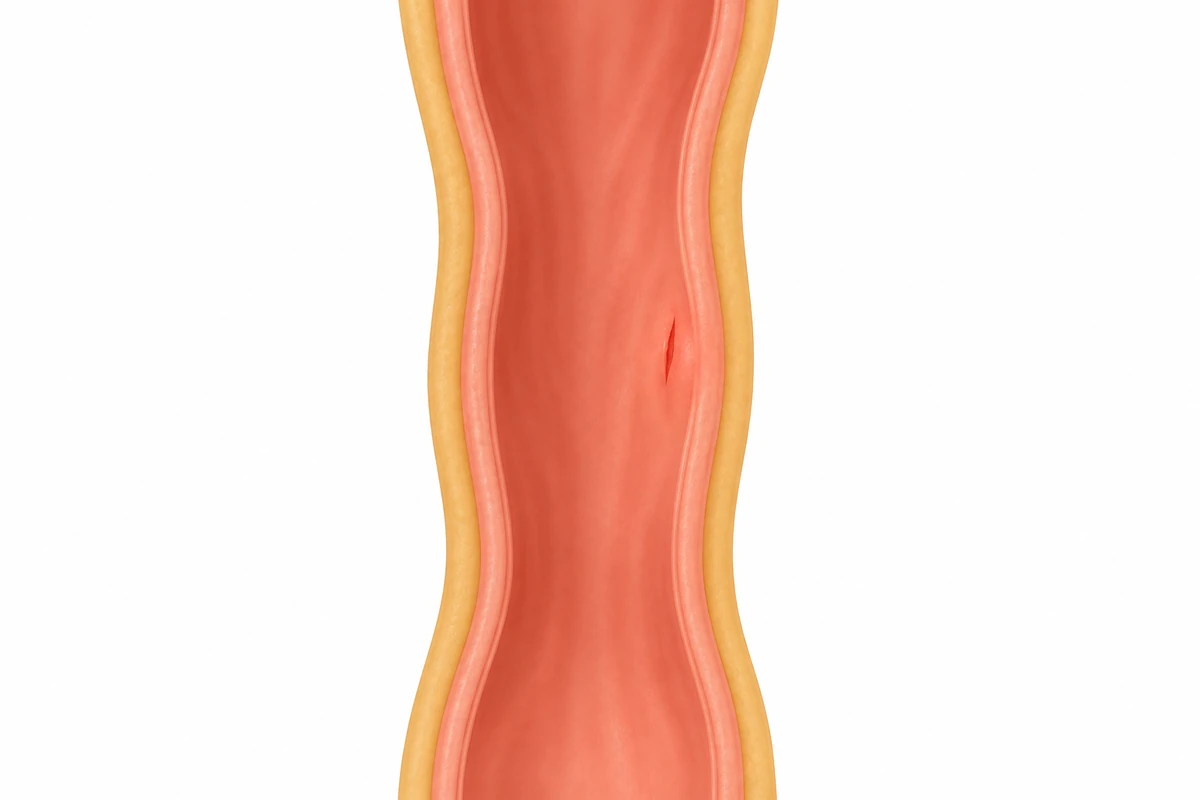
Piles involve haemorrhoidal cushions. A fissure is a small tear in the anal lining that typically causes sharp pain during and after passing stool.
07Is laser treatment suitable for all grades?
No. Suitability depends on prolapse, external disease and other findings. Discuss the proposed technique and alternatives rather than choosing only by its name.
08What is rubber band ligation?
It places a small band around selected internal haemorrhoidal tissue to interrupt its blood supply. It is not a treatment for external piles.
09Do piles cause cancer?
Piles do not turn into colorectal cancer. However, having piles does not rule out another cause of bleeding, including cancer.
10Can constipation make piles worse?
Yes. Hard stools and straining can aggravate bleeding and prolapse. Addressing constipation is an important part of ongoing care.
11Should I stop eating spicy food?
Avoid foods that clearly worsen your discomfort. A balanced diet and comfortable bowel movements matter more than a blanket ban on spices.
12Are piles common during pregnancy?
They can develop or worsen during pregnancy. Treatment should take pregnancy and breastfeeding into account, including which medicines are suitable.
13Can exercise help?
Regular activity can support bowel function. If heavy lifting worsens symptoms, discuss adjustments and avoid holding your breath while straining.
14Is sitting at a desk the same as sitting on the toilet?
No. Prolonged toilet sitting often accompanies straining. Desk workers can still benefit from movement breaks and a regular bowel routine.
15Can I use piles cream every day?
Avoid prolonged use without advice. Some products contain steroids or local anaesthetics, and persistent symptoms need reassessment rather than repeated self-treatment.
16Will piles return after treatment?
Recurrence is possible. The risk varies with the procedure, the extent of disease and continuing bowel difficulties.
17How long does recovery take?
Recovery differs between office procedures and surgery. Your doctor can give a practical estimate once the procedure and your work requirements are known.
18Is a colonoscopy always required?
No. It is selected according to symptoms, examination, screening needs and risk factors. Bleeding should not automatically be attributed to piles.
19What should I bring to the appointment?
Bring your medicine list, previous reports and details of bleeding or bowel changes. Mention blood thinners and any previous anorectal procedures.
20Where can I consult Dr. Aayush Nagpal for piles?
Appointments can be requested for Sant Nirankari Health City, Burari, or The Clinics MISC, Hauz Khas. Confirm availability with the appointment team.
Explore other treatments
This page is for general patient information and does not replace a personal medical consultation. Treatment advice depends on your examination, medical history and the procedures available at the time of your visit.